Almond Nails
What Are Almond Shaped Nails?
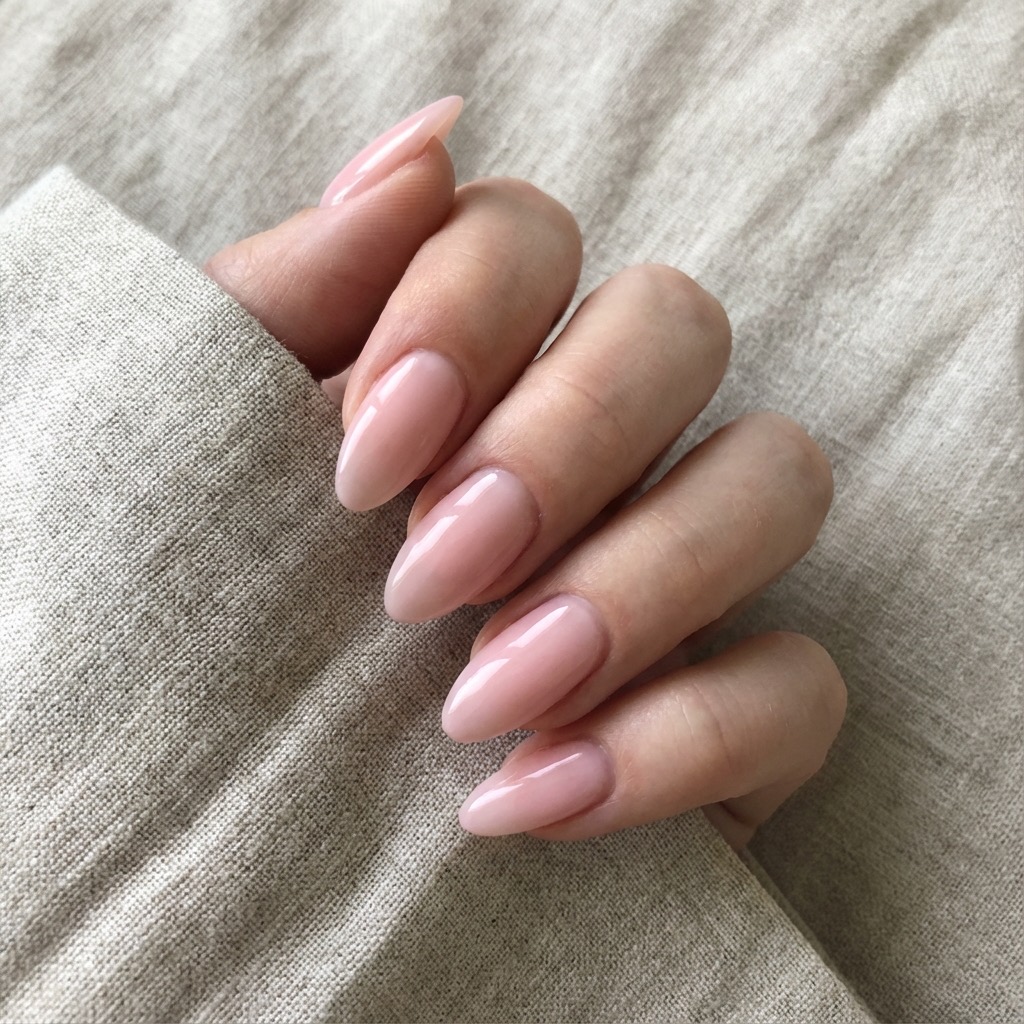
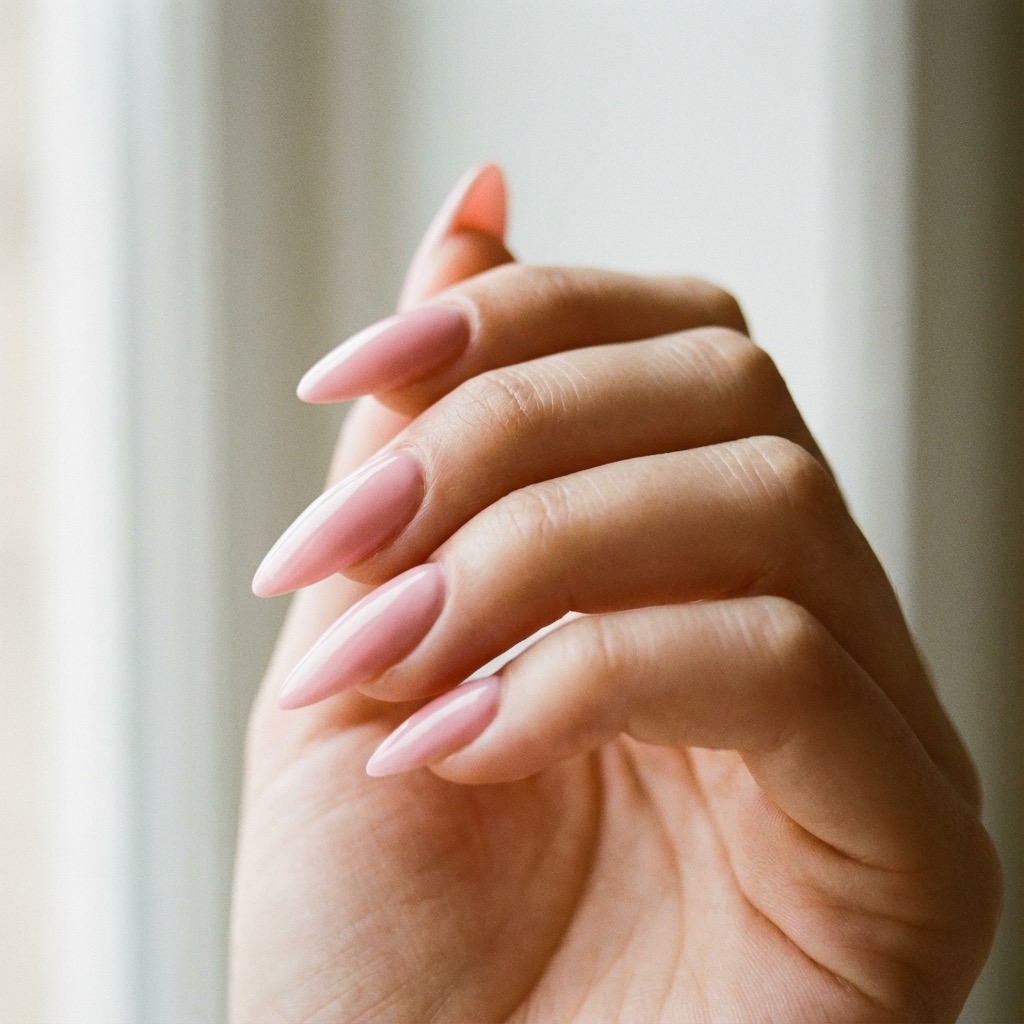
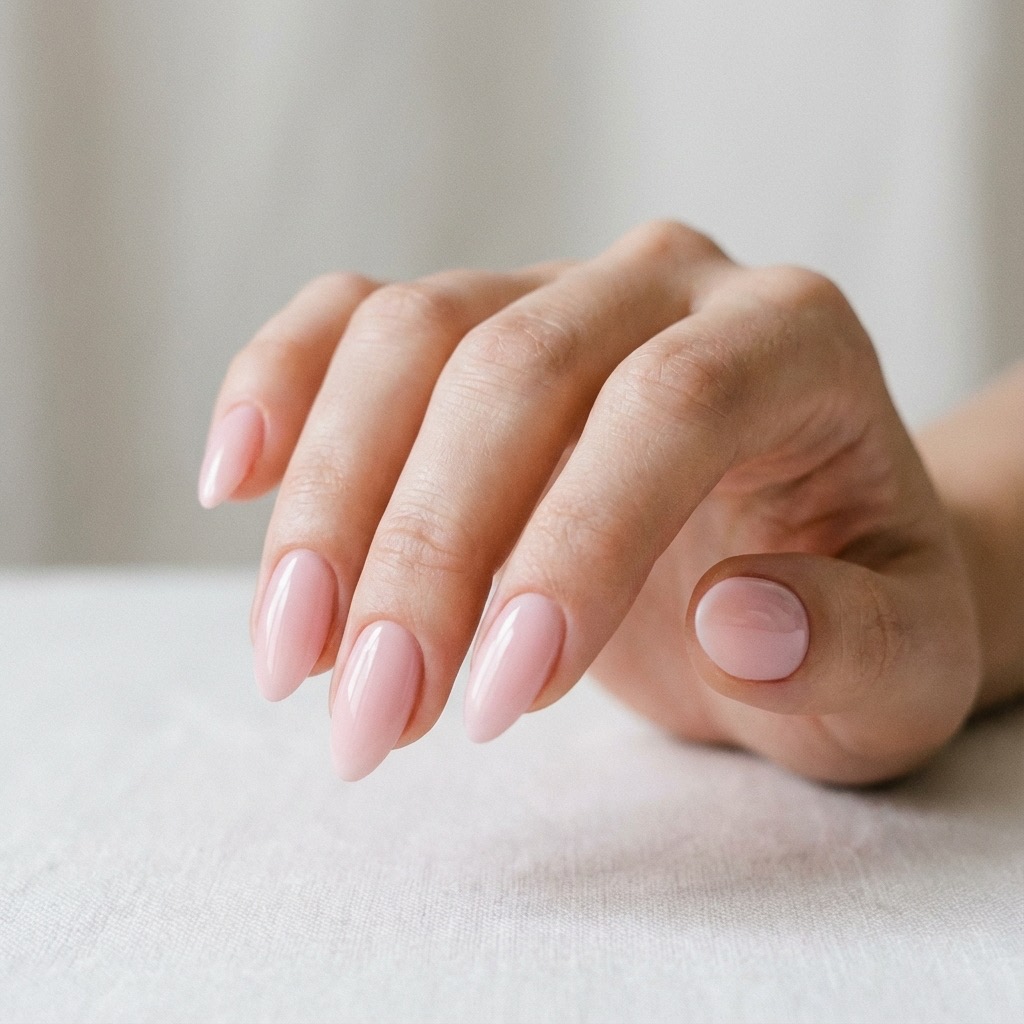
Almond shaped nails are characterized by their signature silhouette — wider at the base, gradually tapering along the sides, and culminating in a soft, rounded peak. This elegant shape creates a sophisticated, feminine appearance that's become increasingly popular for its ability to elongate fingers and complement virtually any hand type.
The almond nail shape strikes the perfect balance between dramatic and practical. Unlike sharp stiletto nails, the rounded peak is safer for daily activities, while the tapered sides create a more pronounced elongating effect than classic oval nails. This versatility makes almond shape a favorite among nail enthusiasts who want elegance without sacrificing functionality.
Key Characteristics:
- Tapered sides that narrow toward the tip
- Rounded peak for maximum elegance
- Creates finger elongation effect
- Medium length requirement for optimal shape
Visual Guide
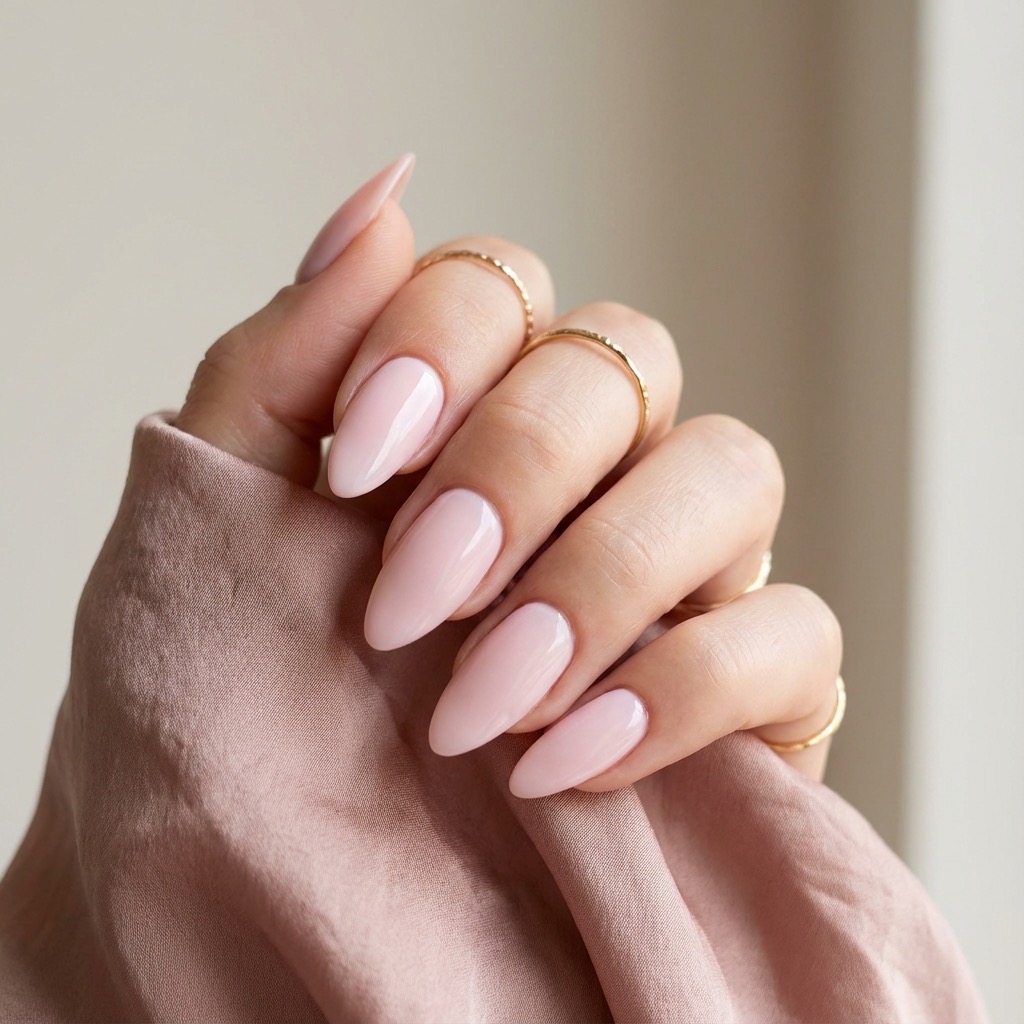
View the Almond shape from different angles to understand its unique silhouette and how it enhances the natural nail.
Difficulty Level
Intermediate
Breakage Risk
Medium
Maintenance Level
Medium
Gallery
Who Should Choose Almond Nails? The Complete Guide
- Short fingers
- Asian hands
- Wide nail beds
- Those seeking elegant, feminine look
- Very short natural nails
- Highly active lifestyles (breakage risk)
Based on Hand Anatomy
For Short Fingers:
The tapered sides creates visual lines that extend short fingers, making them appear longer and more slender. This is why it's often recommended as the top choicefor shorter fingers. The effect is immediate and noticeable, giving your hands a more elegant appearance.
For Wide Nail Beds:
The tapered design creates a slimming effect that balances proportions. This design narrows as it extends, counteracting width and creatingyour features, making it choice for those with wider nail beds.
Creating Dramatic Effects:
This elegant tapered silhouettecreates maximum visual impact. The rounded peakdraws attention and makes a statement, perfect for special occasions or those who want their manicure to stand out.
Pros & Cons of Almond Nails: Is It Worth It?
- Elongates and slims fingers
- Elegant and sophisticated appearance
- Versatile - works with most nail art styles
- Less dramatic than stiletto but still stylish
- Medium breakage risk at the sides
- Requires some nail length to achieve shape
- Not ideal for very active lifestyles
Almond vs. Other Nail Shapes: Which is Right for You?
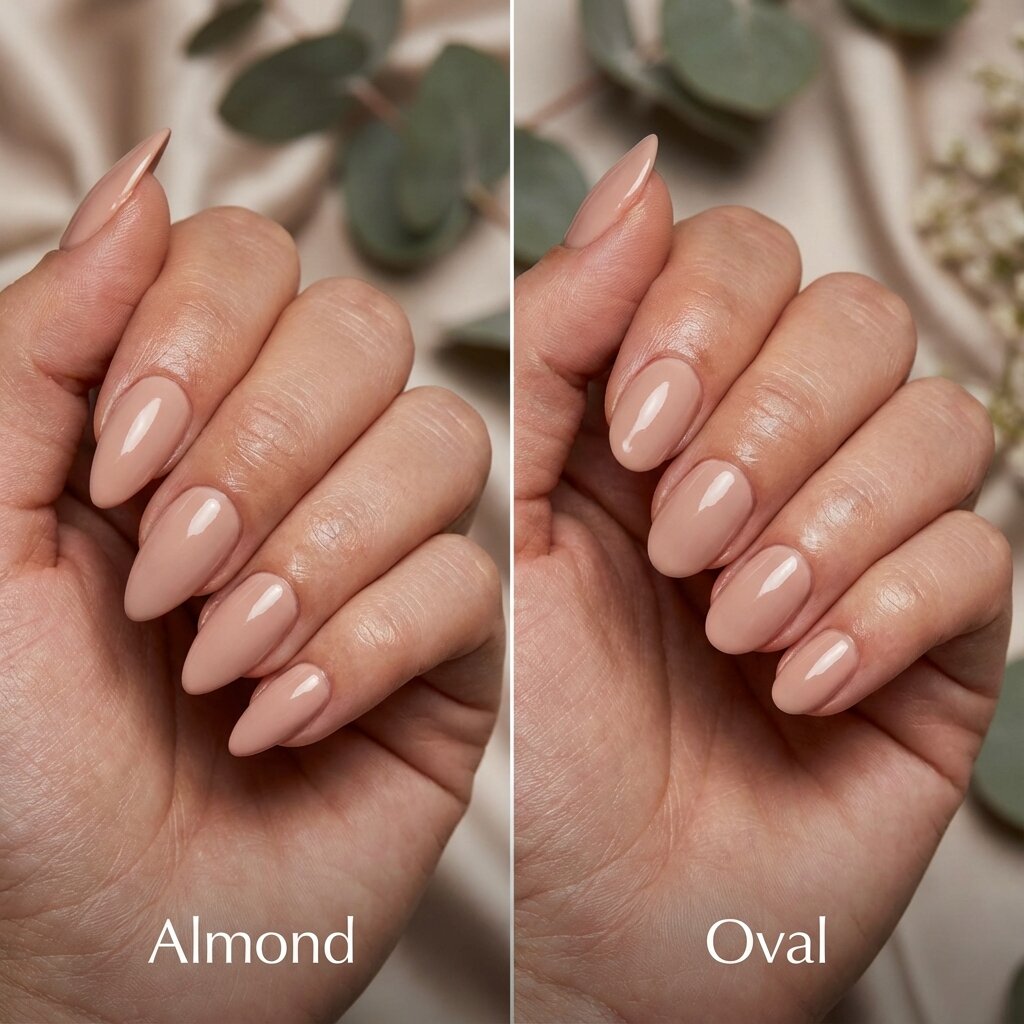
- Almond has more tapered sides
- Almond creates a more dramatic elongating effect
- Oval is more durable and low-maintenance
Learn more about Oval →
- Almond has a rounded tip (safer)
- Stiletto has a sharp point (more dramatic)
- Almond is more practical for daily wear
Learn more about Stiletto →
How to File Almond Nails: Complete Step-by-Step Tutorial
Follow our comprehensive guide to achieve perfect almond nails at home. With the right tools and technique, you can create this elegant shape yourself.
- Nail clippers
- 180-240 grit nail file
- Glass nail file (for finishing)
- Cuticle pusher
- Nail buffer
- Clear top coat (optional)
- Filing too aggressively at the corners — this weakens the nail structure
- Making the tip too sharp — you'll end up with stiletto instead of almond
- Not maintaining symmetry — asymmetrical almond looks unprofessional
- Filing in a back-and-forth motion — this causes peeling and splitting
- Trimming nails too short — almond requires some length to achieve the tapered silhouette
- 1Remove old nail polish completely and wash hands with warm water and soap
- 2Gently push back cuticles using a cuticle pusher to expose the nail bed
- 3Ensure nails are completely dry — never file wet nails as this causes peeling and splitting
- 4Use nail clippers to trim nails to your desired length. For almond shape, you'll need at least medium length (about 1/4 inch past your fingertip). Don't trim too short!
- 5Hold your file at a 45-degree angle against the side of your nail. File in ONE direction (not back-and-forth) from the cuticle toward the center. Repeat on both sides to create the tapered effect. Check symmetry frequently
- 6Once sides are tapered, focus on the tip. Gently round the free edge to create a soft peak — not sharp like stiletto, but more pointed than oval. Think 'almond nut' shape
- 7Switch to a glass file or higher grit (240+) for fine-tuning. Smooth any rough edges and ensure both sides are symmetrical
- 8Use your nail buffer to smooth the surface and add subtle shine. This helps prevent snagging
- 9Apply a clear top coat to seal the shape and protect your nails (optional)
💡 Pro Tip: Practice makes perfect! Don't be discouraged if your first attempt isn't perfect. With practice, you'll achieve salon-qualityalmond nails at home.
How to Maintain Almond Nails: Pro Care Tips
Daily Maintenance Routine
- Inspect for snags — Check edges daily for rough spots
- File micro-snags immediately — Prevents larger breaks
- Moisturize cuticles — Healthy cuticles support nail structure
- Wear gloves for chores — Protects the tapered tips
Weekly Maintenance
- Reshape as needed — As nails grow, file to maintain silhouette
- Buffer the surface — Smooths ridges and adds strength
- Apply strengthening treatment — Reinforces tapered areas
- Check for damage — Address issues early
💡 Professional Tips
- • Keep a mini nail file in your bag for emergency touch-ups
- • Avoid using your nails as tools (the tapered tips are prone to breakage)
- • Consider a gel overlay for added durability if you love the almond shape
- • Regular manicures every 2-3 weeks help maintain the shape
Recommended Tools for Almond Shaping
- 180-240 Grit Nail File — Ideal for shaping natural nails
- Glass Crystal File — For sealing edges and preventing splits
- Nail Buffer Block — Smooths surface for high-shine finish
- Cuticle Pusher — Prepares nails for proper shaping
- Nail Strengthener — Reinforces tapered areas
- Quick-Dry Top Coat — Seals and protects the shape
- Nail Oil — Moisturizes and maintains flexibility
- Manicure Table Lamp — Better visibility for precision
Invest in quality tools. Cheap files can cause peeling and irregular shaping that ruins the almond silhouette. Professional-grade tools last longer and deliver better results.
Frequently Asked Questions About Almond Nails
Are almond nails suitable for short natural nails?
Yes! Almond is excellent for short natural nails. It elongates and slims fingers beautifully — perfect for those who prefer to keep their nails short.
Do almond nails break easily?
Almond nails have a medium breakage risk — higher than oval/round but lower than stiletto. The tapered corners are vulnerable, but proper maintenance and avoiding using nails as tools can minimize breaks.
Can I file my nails into almond shape if they're square now?
Yes! You can transition from square to almond by gradually filing the sides at a 45-degree angle toward the center. It may take a few weeks to achieve the full almond shape as your nails grow out.
What's the difference between almond and stiletto?
The main difference is the tip. Almond has a soft, rounded peak (safer), while stiletto has a sharp, dramatic point. Almond is more practical for daily wear; stiletto is for special occasions.
Are almond nails professional?
Absolutely! Almond is one of the most office-appropriate shapes. It's elegant, sophisticated, and not too dramatic. Many professionals choose almond for its polished appearance.
Still Unsure if Almond is Right for You?
Take our interactive Nail Shape Finder Quiz to get personalized recommendations based on your hand type, lifestyle, and preferences. The quiz takes less than 2 minutes and analyzes your unique characteristics.
Related Nail Shapes
Universally flattering with soft curves that follow the natural nail shape.
Learn MoreDramatic and edgy with sharp point for maximum elongation and impact.
Learn More